


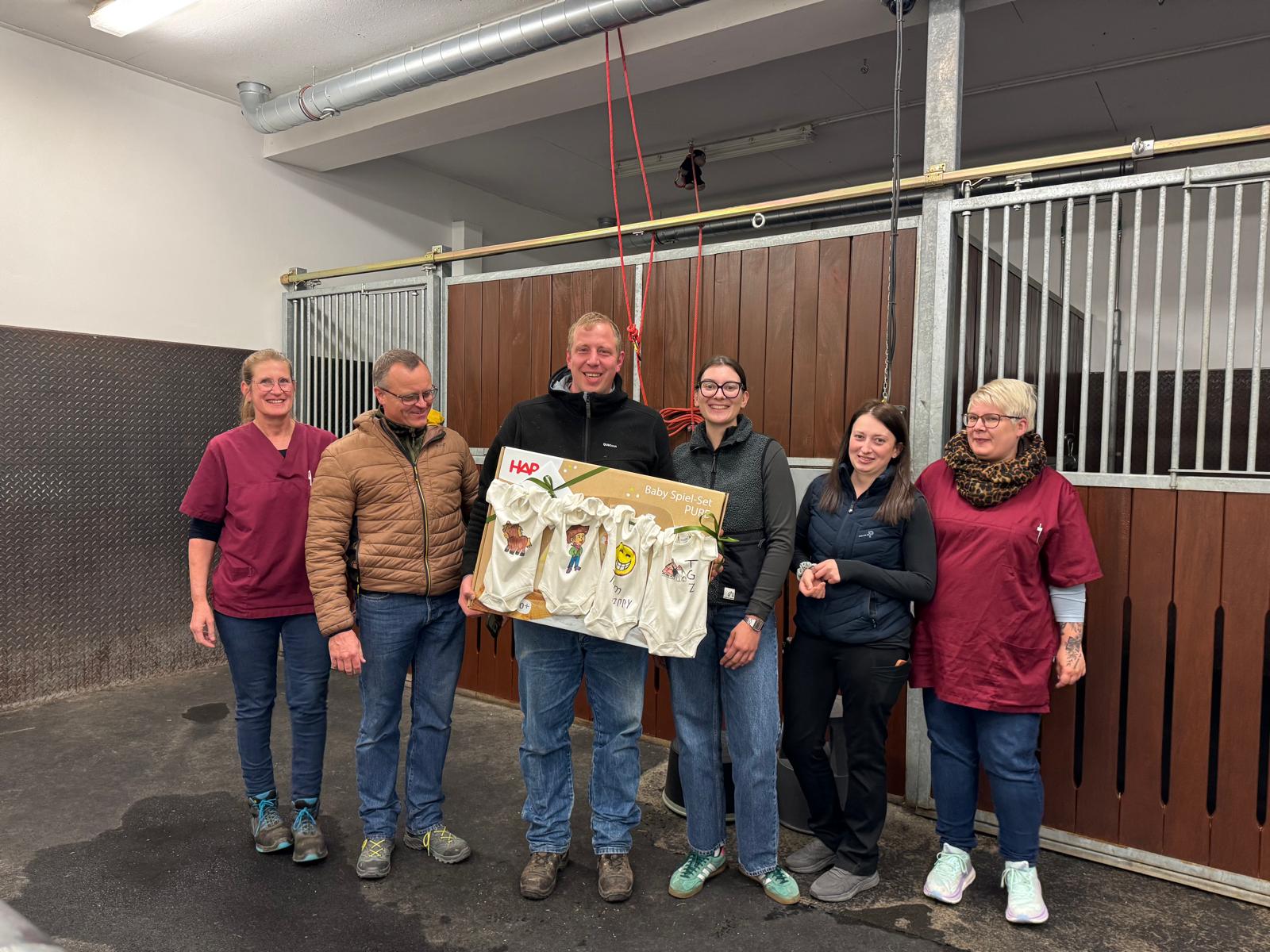
Dental health in dogs & cats: How to recognize problems - and what actually helps
Dental health for four-legged friends – a life without pain
Did you know that your four-legged friends are just as dependent on healthy oral flora as we humans are on healthy oral flora? Unfortunately, dental problems in animals often go unnoticed for a long time – and can then lead to considerable pain and serious inflammation.
Look into your pet’s mouth regularly
Make it a habit to examine your pet’s gums and teeth regularly. This is the only way to detect changes in good time before they become a serious problem.
Small dog breeds are particularly at risk: 42 teeth in a small space often means that the teeth are so crowded that natural self-cleaning can hardly take place. This problem is often even more extreme in short-nosed breeds – the teeth are twisted in the jaw due to the lack of space.
Cats are also prone to often undetected dental diseases at an early stage.
How to recognize that your pet needs help
Watch out for the following warning signs that may indicate dental problems:
- A sudden change or particularly intense odor from the mouth can be the first sign of dental problems.
- Yellow or brownish plaque can lead to gum inflammation and infections if left untreated.
- Reddened or swollen gums, bleeding gums – especially when brushing your teeth – can indicate the onset of inflammation.
- Animals with dental problems tend to avoid hard food, chew hesitantly or eat differently than usual.
- More salivation than usual can be an indication of pain in the mouth.
- Animals that try to relieve discomfort themselves often rub their mouths against objects.
Important to know: Many animals continue to eat despite severe pain in the mouth – even with loose or broken teeth. They express pain late and often in ways that are difficult for pet owners to recognize. This is precisely why we recommend an annual professional dental examination – for example as part of the annual vaccination or health check – to ensure your pet’s long-term dental health.
Brush your teeth: Little effort, great effect
Regular tooth brushing is the most effective measure you can take for your pet’s oral health. Ideally, you should brush daily – that way it becomes routine. Brushing prevents plaque and tartar build-up and thus protects against inflammation of the oral mucosa.
There are suitable toothbrush shapes for every animal. Animal toothpaste is not only formulated with four-legged friends in mind, but also comes in flavors that animals like. We will be happy to advise you.
Step by step to successful tooth brushing
It is best to start the habituation process when your pet is young. Proceed cautiously and without pressure:
Start by gently touching your pet’s mouth, teeth and gums with your finger. Once your pet is familiar with this, it is best to start with a finger toothbrush. Dip it in something your pet likes – for cats, for example, the juice from a can of tuna. Insert the brush under the side of the lip and make circular movements around the canines and molars. Incisors and inner surfaces may be skipped at first.
Once you have refined your technique, you can switch to a toothbrush with pet paste. End each toothbrushing session with play, petting and a treat – this way your pet will associate the routine with something positive and, in the best case, will soon even look forward to it.
Further support for healthy teeth
In addition to brushing teeth, there are special types of food that help to reduce plaque. Chewing articles, chew toys and dental care supplements can also support oral hygiene – please contact us for suitable recommendations.
As many pet owners are unaware of the importance of dental health, we routinely carry out a dental check during the annual vaccination or health check in order to detect problems as early as possible.
When was your pet’s last dental check-up? Make an appointment now.
We are here for you!

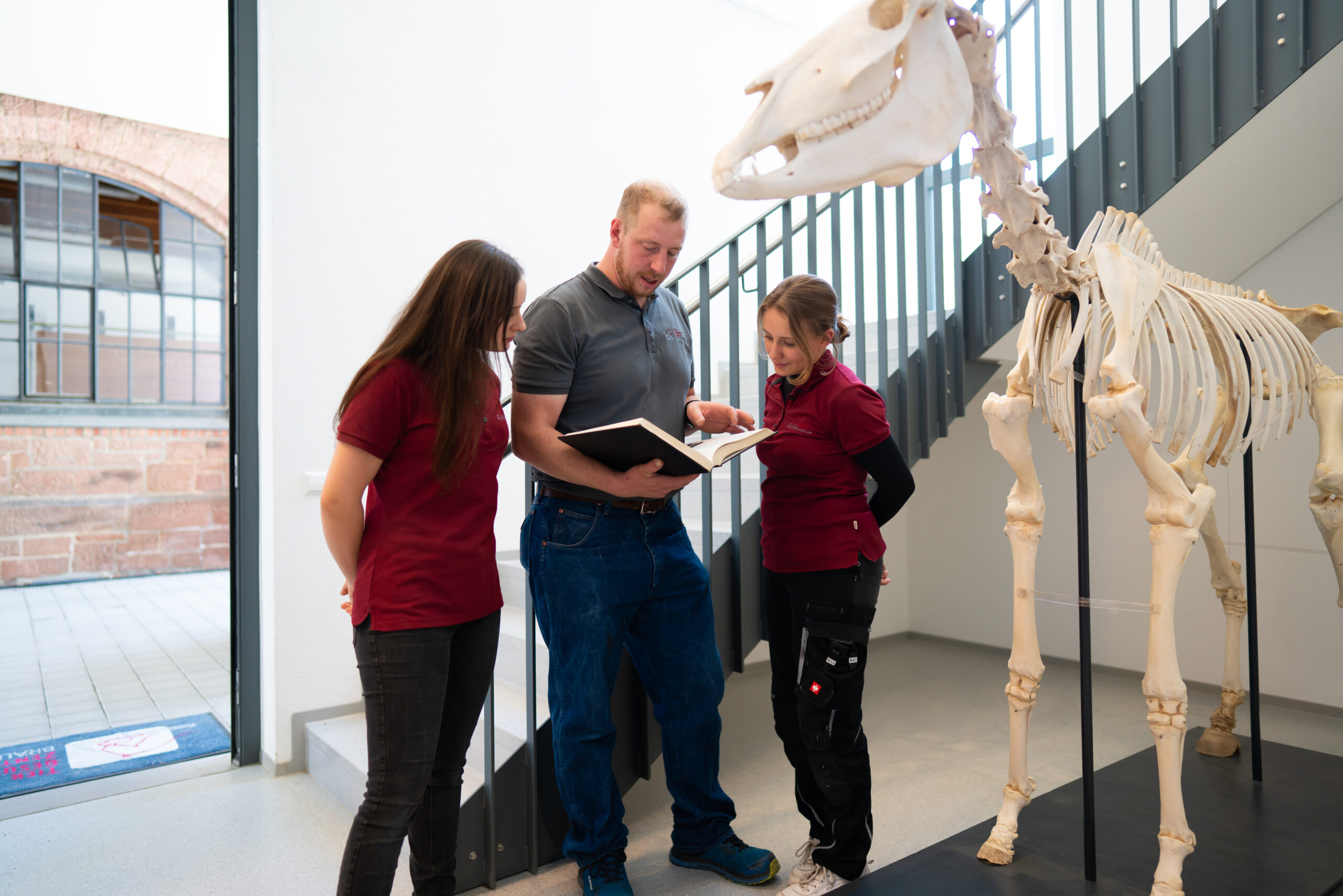
Vets with Horsepower 2026 - training meets commitment
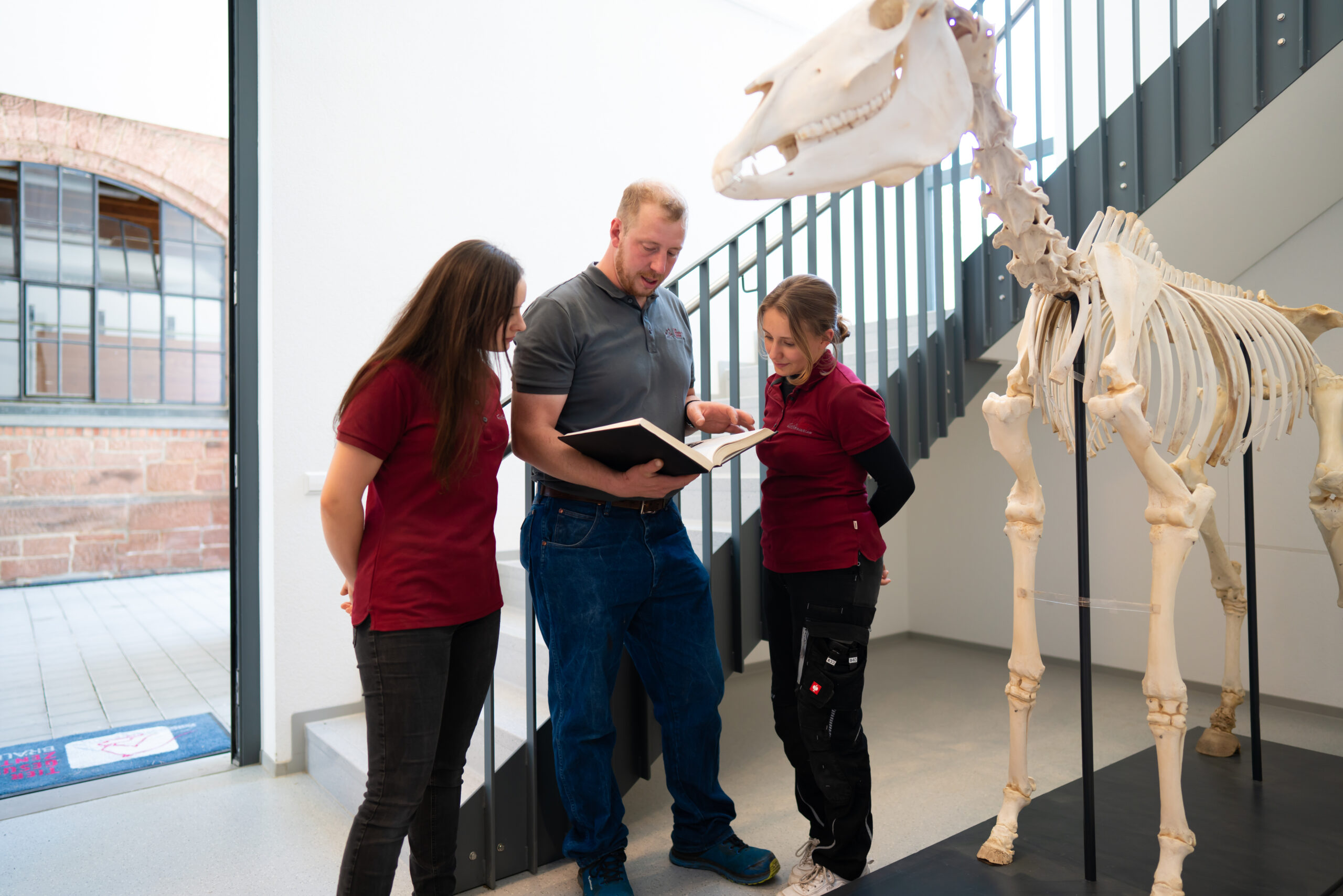
The “Vets with Horsepower” project combines veterinary training with social commitment.
Further information on the events, background information and support options can be found here: 👉 www.vetswithhorsepower.com
Injury to the horse
Injuries in horses
Many people who own horses have probably already experienced a similar situation: a beautiful spring day, the horse is enjoying its time in the pasture, but then returns to the stable limping on three legs. On closer inspection, you discover an injury. In the next section you will learn how you should act in such a situation.
Assessment of the injuries
The severity of an injury is not necessarily determined by its size. A small but deep wound near a joint can potentially have a greater impact than a large, superficial skin injury. Injuries around joints should therefore be taken particularly seriously, as the risk of infection is particularly high here. There are many causes of injuries: sharp objects in the pasture, kicks from other horses or accidents during training – the possibilities are numerous. The limbs of horses are most frequently affected.
The key questions are:
- Where exactly is the injury?
- How deep is the injury?
- Is bone possibly visible or are there joints nearby?
- Is there bleeding?
- When did you notice the injury and how old could it be?
The upper region of the horse’s limb is well protected by muscle, which reduces the risk of infection of the joint and its accompanying structures. However, injuries to the hoof joint should be taken particularly seriously. If you are unsure whether a joint or synovial structure is involved, you should definitely consult a vet. If the joint is involved, it is necessary to rinse the wound thoroughly to cleanse it of bacteria.
Primary care
It is extremely important to avoid infection of the wound. For this reason, injuries should be thoroughly cleaned and covered. Please refrain from treating the wounds directly with ointments or sprays, as this may make diagnosis more difficult later on. Yellow creams can easily be mistaken for pus, and the well-known blue spray can make the entire wound appear dark. Similarly, the independent administration of painkillers for injuries associated with lameness can interfere with a later examination. If your horse has previously shown lameness, this may no longer be recognizable to the vet due to the analgesic effect of the medication, and a meaningful lameness examination may no longer be possible.
Tips for the stable pharmacy:
- Iodine solution: very suitable for cleaning wounds, does not sting
- Mucous membrane disinfectant: actually intended for use on mucous membranes, also no burning sensation and therefore pleasant to use for the horse
- Dressing material: Swabs, cotton rolls and self-adhesive bandages for the first dressing and thus covering the wound. Please never wrap too tightly, otherwise the blood supply may be impaired. Good padding is very important here.
Call a vet!
Every injury means a break in the skin, which forms a crucial protective barrier against pathogens and prevents them from entering the body. However, this barrier can only be effective as long as it is intact. Even a small portal of entry allows bacteria to take control, which can lead to inflammation. This inflammation can spread to the entire body. To avoid this, it is important that every injury is examined by a vet. This will also ensure that the wound is treated appropriately with medication. The use of antibiotics may be advisable to prevent infection or to treat existing infections.
If the wound is fresh, it can be surgically treated and stitched by a vet, which supports the healing process. If suturing the wound is no longer possible, the body must close the wound itself through secondary wound healing. In some cases, thorough irrigation of the wound is also necessary, especially if the injury is close to joints, to prevent joint infection.
In the event of an injury, please always contact a vet and have the equine passport ready so that the tetanus vaccination can be checked.
Have patience
If the injury is fresh, it can be surgically treated and stitched by a vet, which supports the healing process. If suturing is no longer possible, the body must close the wound itself through secondary wound healing. In some cases, thorough irrigation of the wound is also necessary, especially if the injury is close to joints, to prevent infection of the joint.
If you would like to find out more about this topic or if your horse is affected by an injury, please do not hesitate to call us! We will be happy to provide you with the support and information you need.